Acrylic vs Melamine vs Bakelite: A Practical Guide to Choosing Your Mahjong Set
If you’re in the market for a quality mahjong set, you’ve probably noticed that tiles come in three main materials: acrylic, melamine, and bakelite. While all three have their place, the differences in everyday experience are substantial—and once you understand them, one choice rises clearly above the rest.
Let’s break down each material honestly, so you can see what really matters when you’re sitting at the table.
Quick Overview
| Aspect | Acrylic | Melamine | Bakelite |
| Material | PMMA (optical-grade plastic) | Melamine-formaldehyde resin | Phenolic resin |
| Weight feel | Solid, well-balanced | Light to medium | Heavy |
| Sound | Bright, resonant “clack” | Muffled, dull “thud” | Heavy, flat |
| Durability | Scratch-resistant, never yellows | Wears down over time | Tough but brittle |
| Color clarity | Crystal-clear, vivid | Opaque, fades gradually | Limited, vintage tones |
| Best suited for | Players who value full experience | Casual, budget-conscious play | Collectors, nostalgia |
Acrylic – The Material That Elevates Every Game
Acrylic (PMMA) is the same high-clarity material used in luxury eyewear, museum display cases, and premium optical instruments. When applied to mahjong tiles, it transforms the game from a casual pastime into a genuinely satisfying sensory experience.
1.Sound That Excites
The first thing you notice with acrylic tiles is the sound. When knocked or shuffled, they produce a crisp, high-frequency “clack” that rings cleanly—reminiscent of fine jade or porcelain. This isn’t just cosmetic; the acoustic feedback adds a layer of rhythm and pleasure to every round. By contrast, melamine tiles sound dull and muffled—functional, but uninspiring. Bakelite tiles are heavier and produce a flat, lifeless thud that lacks any resonance.
2.Feel That Glides
Acrylic has a naturally low coefficient of friction, which means tiles slide effortlessly against each other. Shuffling feels fluid and controlled, not sticky or labored. Melamine offers decent smoothness but has more surface resistance—you can feel the drag. Bakelite, especially vintage sets, often has a rough, porous texture that catches on your fingers.
3.Looks That Last
Acrylic is optically clear with light transmittance up to 92%, so colors appear vibrant and deep. Better yet, acrylic resists scratching and does not yellow with age. A well-made acrylic set looks as pristine after ten years as it did on day one. Melamine, on the other hand, gradually loses its surface gloss and can appear dull over time. Bakelite has a certain retro charm, but its color palette is limited and its surface patina is more about age than beauty.
4.Built for Modern Play
Acrylic tiles are fully compatible with automatic mahjong tables—no issues with size, weight, or magnetic sensors. Melamine shares this advantage. Bakelite, however, is generally incompatible, which severely limits its practicality for most players today.
5.The Only Real Drawback
Acrylic costs more than melamine. That’s it. The extra investment buys you a materially better experience in every dimension—sound, feel, appearance, and longevity.
Melamine – Affordable and Functional
Melamine is a thermosetting plastic that’s been the default choice for mass-market mahjong sets for decades. It’s durable, impact-resistant, and reasonably priced. For occasional players or those on a tight budget, melamine gets the job done.
Where It Works
- The sound is quieter, which can be a plus in apartments or late-night games.
- Tiles don’t feel cold to the touch, even in winter.
- It’s resistant to moisture and easy to clean.
- Compatible with automatic tables.
Where It Falls Short
- The sound is flat and lacks the satisfying ring of acrylic.
- The surface has more friction, making shuffling slightly less smooth.
- Over time, the gloss fades and the tiles look worn.
- The visual depth and richness of color simply aren’t there.
Melamine is a perfectly adequate material for casual play. But once you’ve experienced acrylic, melamine feels like a compromise you didn’t need to make.
Bakelite – History Over Practicality
Bakelite is the grandfather of modern plastics—revolutionary in its day, but largely obsolete now for everyday use. Vintage mahjong sets from the mid-1900s were often made of bakelite, and they carry a certain nostalgic weight.
The Appeal
- Genuine historical artifact with collector’s value.
- Heavy tiles that feel substantial in hand.
- Unique colors and marbled patterns that vary from set to set.
The Reality
- No longer manufactured—you’re buying second-hand or vintage.
- Prices driven by collectibility, not quality of play.
- Tiles release a distinct chemical smell when rubbed.
- Prone to cracking, chipping, or shattering if dropped.
- Not compatible with automatic tables.
- Surface texture is usually rough and uneven.
Bakelite is fascinating as a piece of history, but as a daily playing tool, it’s impractical, expensive, and fragile. It’s a collector’s item, not a player’s set.
What Sets Premium Acrylic Apart – The 4&Layer Construction
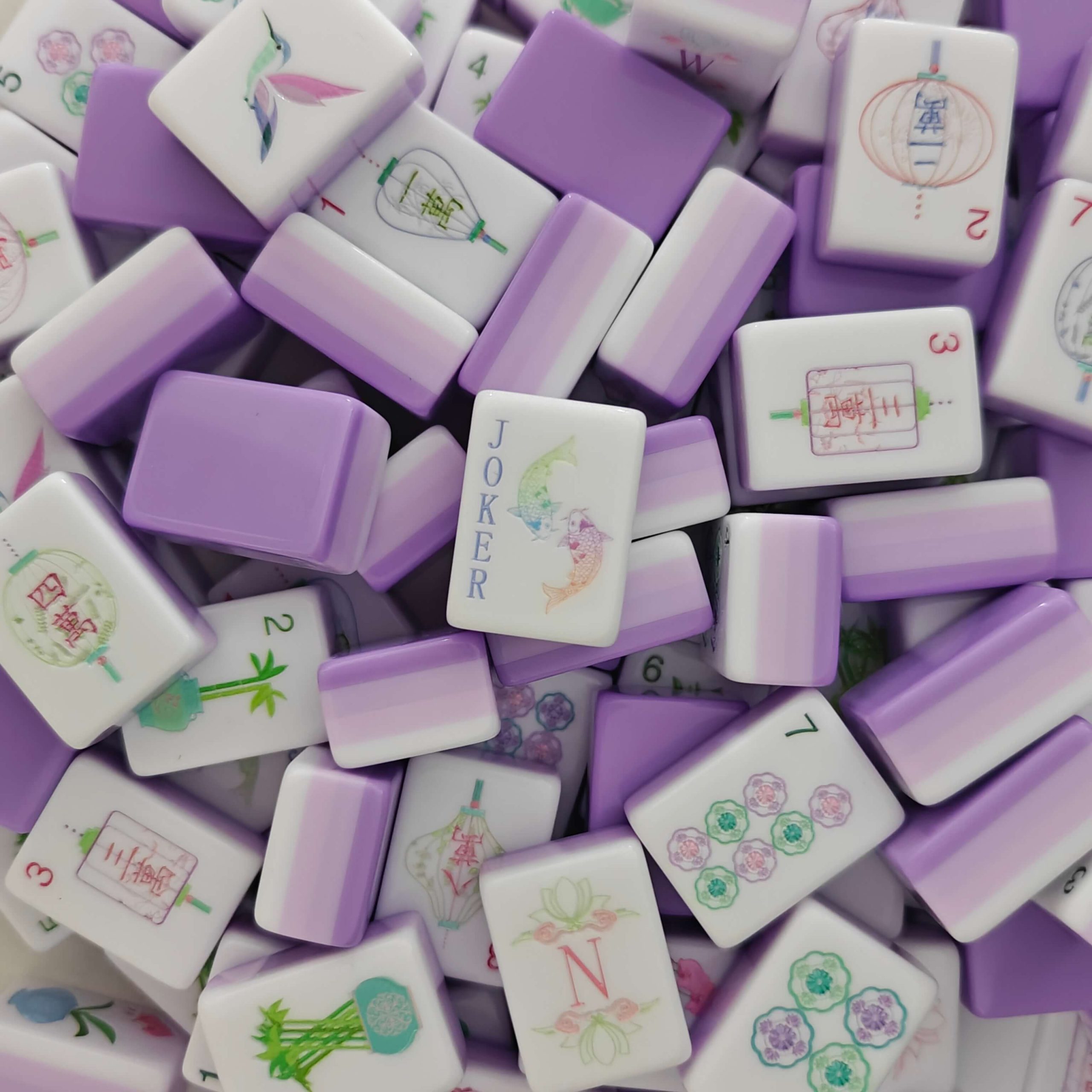
Not all acrylic tiles are created equal. The most refined acrylic mahjong sets feature a 4&layer construction—each tile is built by bonding four distinct layers of premium acrylic into a single, solid piece.
Here’s why this matters:
- Superior durability – The multi-layer bonding creates a denser structure that distributes impact forces effectively, making the tiles more resistant to chipping and cracking over decades of use.
- Consistent weight and balance – Each tile is precision-engineered to identical weight, so every tile feels the same in your hand—no light ones, no heavy ones.
- Smoother finish – The layered construction allows for a finer polish, resulting in a silky surface that glides effortlessly during shuffling.
- Precision engraving – The solid 4&layer structure provides an ideal surface for deep, precise character engraving. Each symbol is carved with sharp, clean lines that stay crisp and readable for years, never fading or wearing thin.
Brands like OMHJGO specialize in this 4&layer acrylic craftsmanship. Each tile is built from four layers of premium acrylic bonded into one solid piece, precision-engraved with clean, sharp characters, and polished to a flawless finish. The result is a set that doesn’t just look beautiful but performs beautifully—round after round, year after year. OMHJGO’s 4&layer acrylic tiles deliver the full sensory experience that serious players deserve: the crisp sound, the smooth glide, the lasting beauty, and the satisfying heft that says quality in every tile.
So, Which One Should You Buy?
Let’s be direct:
- If you play occasionally and price is your main concern, melamine will serve you adequately. It’s not exceptional, but it’s functional.
- If you’re a collector or love vintage objects, bakelite has undeniable historical charm—just be prepared for its limitations.
- If you value sound, feel, longevity, and overall playing experience, acrylic is the clear winner. And among acrylic sets, those with 4&layer construction and precision engraving represent the gold standard.
For most players who play regularly and care about the experience, the choice comes down to acrylic. It’s not about having the most expensive set—it’s about having the set that makes you want to play more.
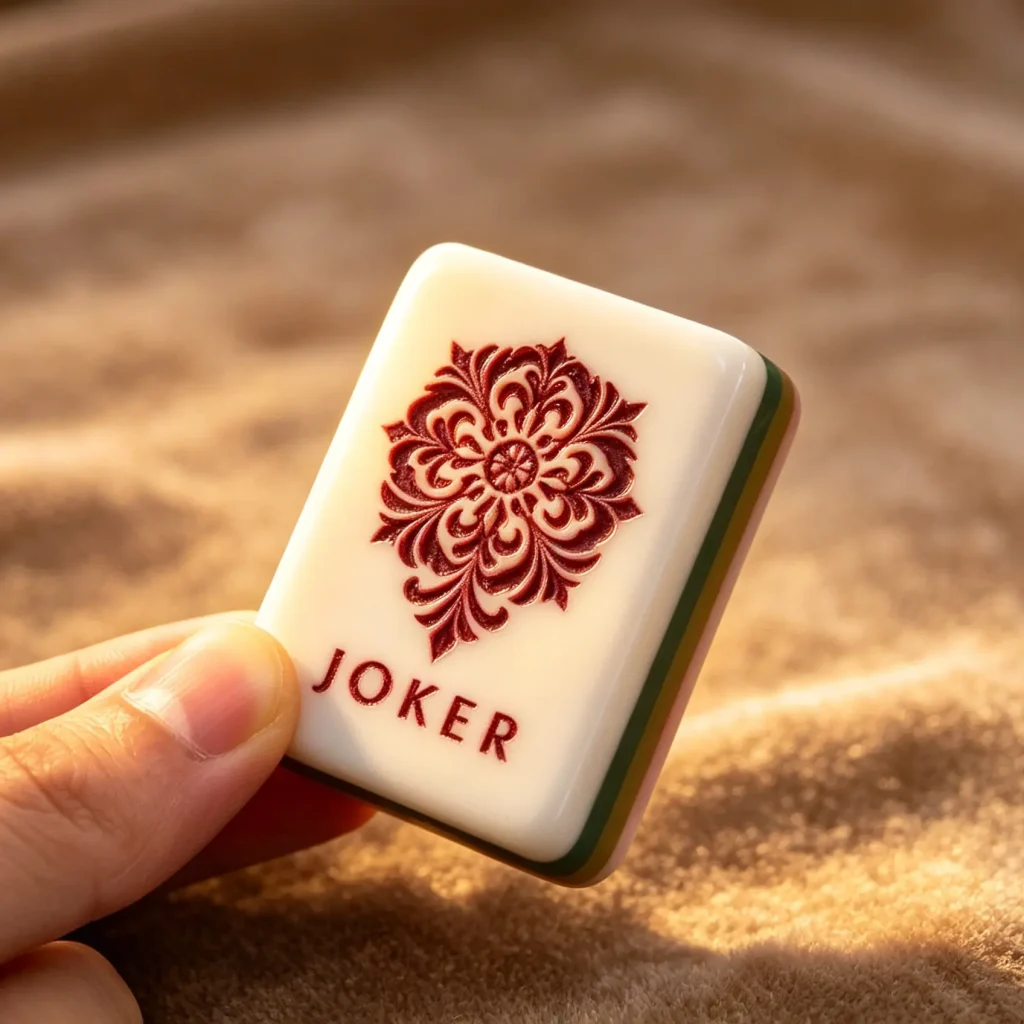
Your mahjong set is something you’ll handle thousands of times. The sound, the feel, the look—they all become part of the game. Acrylic delivers on all three fronts in a way that melamine and bakelite simply cannot match. And when you choose a 4&layer acrylic set from a brand like OMHJGO, you’re getting the very best that acrylic has to offer: superior durability, perfect balance, precision engraving, and a feel that makes every game a pleasure.
If you’re ready to invest in a set that will elevate every session, 4&layer acrylic is the way to go. Experience the difference for yourself.
Happy playing.