Mahjong Variations: From Chinese Mahjong to American Mahjong
If you’ve ever watched different groups play Mahjong, you may have noticed something interesting: the game doesn’t always look the same.
From Chinese Mahjong to American Mahjong, the many Mahjong Variations found around the world each have their own rules, strategies, and traditions. One player may talk about a yearly card. Another may mention Joker tiles. Someone else may describe a set of rules that feels completely unfamiliar.
At first, it can be confusing. If everyone is playing Mahjong, why does each game seem different?
The answer is simple: Mahjong has never had just one universal rulebook.
As the game traveled across countries, communities, and generations, players adapted it to fit their own traditions and preferences. Those small changes eventually became the many Mahjong Variations we see today.
“The rules may change, but the heart of Mahjong remains the same — bringing people together around a table, making thoughtful decisions, and enjoying time with others.”
Why Are There So Many Mahjong Variations?
Mahjong began in China during the 19th century and quickly became more than a simple pastime. For many families, it became part of everyday life — something played during holidays, celebrations, and casual gatherings. As Mahjong spread to different places, communities naturally added their own touches.
Some changes involved scoring systems or local rules. Others created entirely new ways of approaching the game. This is what makes Mahjong different from many traditional board games. While games like chess usually follow the same basic rules worldwide, Mahjong can feel completely different depending on where and how you learned it. These differences are not about one version being better than another. They represent the history, culture, and traditions of the people who continue to play the game.
Chinese Mahjong: Where the Tradition Begins
Chinese Mahjong represents the roots of the game and includes many regional styles developed over generations. Even within China, there is no single version that every player follows. Different areas have created their own approaches, changing everything from scoring methods to preferred strategies.
The tiles themselves are familiar to most players:
- Characters
- Bamboo
- Dots
- Winds (East, South, West, North)
- Dragons (Red, Green, White)
- Flowers
But the way those tiles come together can vary from one group to another. For many players, Chinese Mahjong is learned through family and community rather than a formal lesson. A parent teaches a child. A grandparent shares old strategies. Friends pass along the rules they grew up with. That personal connection is one reason Mahjong has remained popular for so many generations. It is not only about the game itself. It is about the people sitting around the table.
A Look at Taiwanese Mahjong
Taiwanese Mahjong is one of the better-known regional variations. One of its biggest differences is the number of tiles used. Players typically hold 16 tiles instead of the 13-tile structure found in many other Mahjong styles. This creates more possible combinations and changes the way players plan their hands. However, what many people remember most about Taiwanese Mahjong is not just the rules. It is the atmosphere. For many families, Mahjong is part of holidays, weekend gatherings, and everyday moments spent catching up with loved ones. The details may change from one variation to another, but the social experience remains familiar.
American Mahjong: A Style Built Around Connection
When Mahjong reached the United States, it began developing a new identity. American players took inspiration from traditional Mahjong while creating their own style of play. Over time, these changes became what we now recognize as American Mahjong. For new players, the first American Mahjong game can feel both familiar and surprising. The tiles look recognizable, but the way players approach the game has its own rhythm.
1、The Mahjong Card Keeps the Game Fresh
One of the first things new players notice is the Mahjong card. American Mahjong players use a new official card each year, featuring updated hands and patterns. This yearly change gives the game a unique quality. Players are not simply repeating the same strategies year after year. Each new card creates fresh challenges and encourages players to discover new approaches. For beginners, the card provides a helpful guide while learning the game. For experienced players, it keeps every season interesting.
2、Joker Tiles Bring a New Strategy
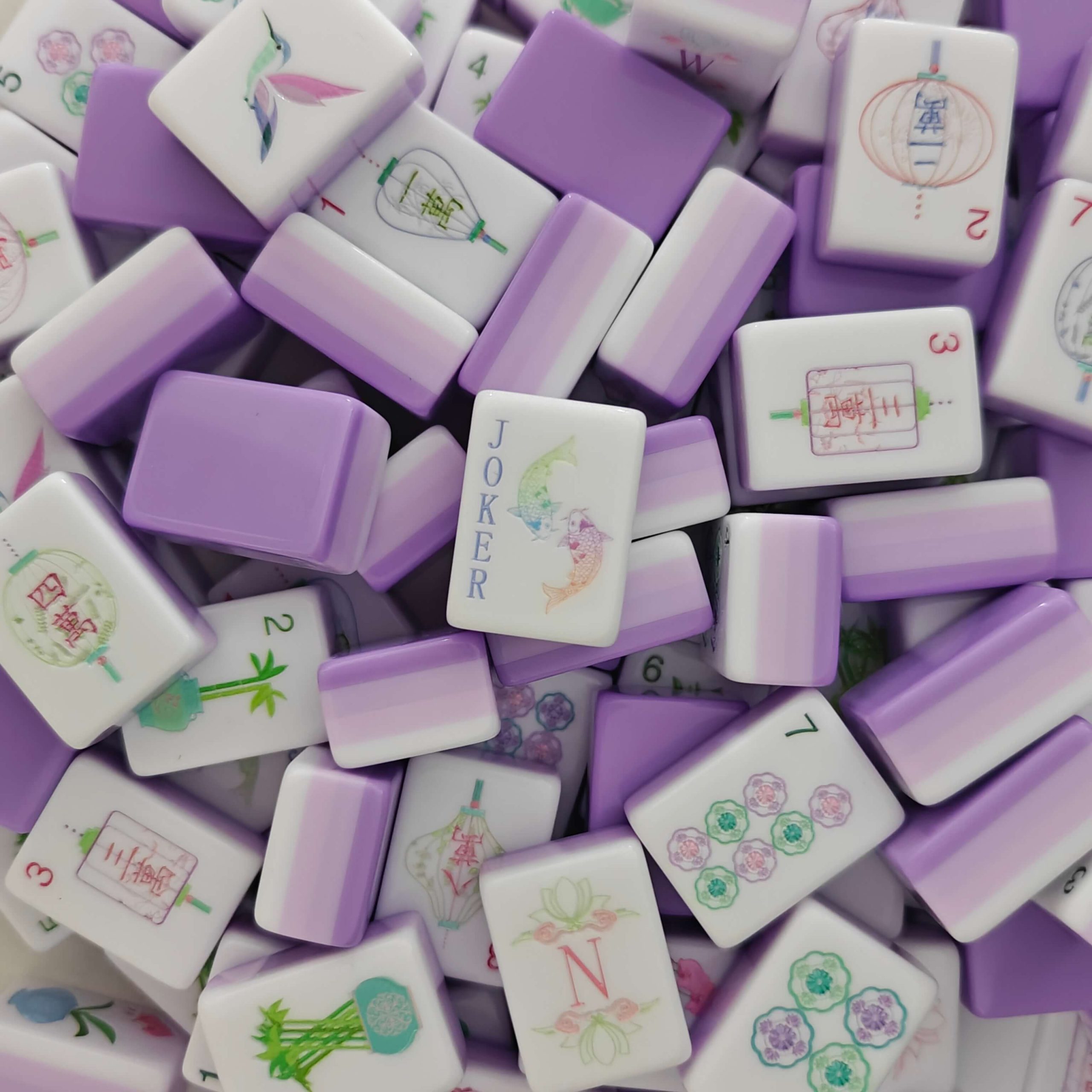
Another feature that makes American Mahjong stand out is the use of Joker tiles. For someone seeing them for the first time, Jokers can be surprising. A tile that can represent another tile? It sounds unusual, but it creates another layer of decision-making. Players must think carefully about when to use a Joker, when to save one, and how it fits into their overall strategy. Like many parts of Mahjong, success comes from a combination of planning, awareness, and experience.
“While the rules make American Mahjong unique, the community is what keeps players coming back, week after week. It’s not just a game — it’s a reason to gather, to reconnect, and to share time with people who matter.”
Creating Your Own Mahjong Tradition
No matter which Mahjong style you choose, one thing remains true: the game is meant to be shared. A thoughtfully designed Mahjong set can make those moments even more enjoyable. The feel of the tiles, the clarity of the designs, and the overall look of the set all become part of the experience.
At OMHJGO, we create American Mahjong sets that bring together traditional gameplay and modern design. Each collection is made for players who appreciate both the strategy of Mahjong and the beauty of the pieces they play with. Whether you are hosting your first Mahjong night or adding a new set to your collection, the right tiles can help create memorable moments with friends and family.
Every Mahjong Game Has Its Own Story
So, how many Mahjong variations are there? There is no single answer. Some versions are played by millions of people around the world. Others exist within families, neighborhoods, and local communities. But maybe that is what makes Mahjong special. The tiles may look the same. The rules may change. The people around the table may be different. Yet every game begins with a familiar moment: someone shuffles the tiles. Everyone takes a seat. And a new Mahjong story begins.